
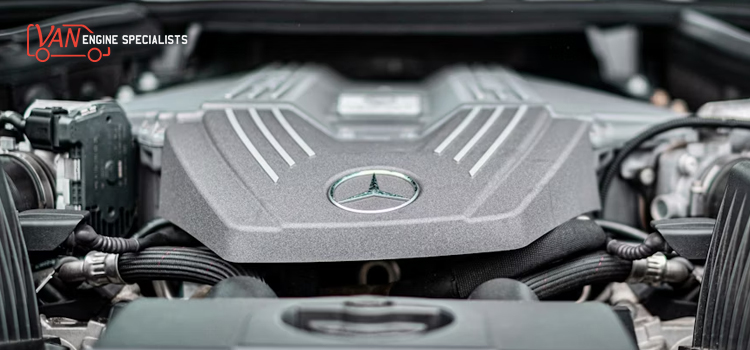
A Mercedes-Benz is renowned worldwide for its luxury, performance, and engineering excellence. However, like any other vehicle, the engine can deteriorate over time due to wear, poor maintenance, or unexpected failures. For many owners, opting for a reconditioned Mercedes engine is a practical solution to restore their car’s performance without the hefty cost of a brand-new replacement. But buying a reconditioned engine requires careful consideration, as not all reconditioned engines are equal in quality. To ensure reliability, value, and long-term performance, it’s important to know what to look for before making a purchase. We highlights the key things to check before buying a reconditioned Mercedes engine, helping you make an informed decision and avoid costly mistakes.
Understanding What a Reconditioned Mercedes Engine Really Is
Before making a purchase, it’s essential to understand what a reconditioned Mercedes engine means. Unlike used engines that are simply removed from other vehicles, reconditioned engines are carefully stripped down, inspected, and rebuilt using new or refurbished parts. Components such as pistons, valves, seals, and gaskets are replaced, while the engine block and cylinder head are machined to meet factory specifications. This process restores the engine to near-new condition, offering better reliability than a used engine. Knowing this difference helps you recognize the value of reconditioned engines, especially if you are comparing quotes or offers from different suppliers. Always verify that the engine has undergone a full reconditioning process rather than being a lightly serviced or cleaned used engine.
Verifying the Seller’s Reputation and Expertise
One of the most critical factors when buying a reconditioned Mercedes engine is the seller’s credibility. Mercedes engines are advanced and require specialist knowledge to recondition properly. Check if the seller has experience with Mercedes-Benz vehicles specifically, as not all reconditioning workshops meet the same standards. Look for reviews, testimonials, and industry certifications that confirm their reliability. A reputable seller will provide transparent details about their reconditioning process, the components replaced, and the tests conducted before the engine is sold. Be cautious of unusually low prices, as they may indicate shortcuts in reconditioning or the use of substandard parts. Choosing a trusted supplier ensures that you receive a high-quality engine that matches Mercedes-Benz’s engineering precision.
Checking the Warranty and After-Sales Support
A reliable reconditioned Mercedes engine should always come with a warranty. A strong warranty reflects the seller’s confidence in their work and provides peace of mind to the buyer. Ideally, warranties should cover at least six to twelve months, protecting you against potential failures caused by faulty workmanship or parts. Ask for the warranty terms in writing and check if it covers both parts and labor. Additionally, inquire about after-sales support, such as technical assistance and installation services. Some suppliers even offer supply-and-fit packages, which ensure proper installation by professionals who understand Mercedes vehicles. Avoid sellers who offer little or no warranty, as this may indicate a lack of trust in the quality of their reconditioned engines.
Ensuring Compatibility with Your Mercedes Model
Not all Mercedes engines are interchangeable, and compatibility is a crucial aspect when buying a reconditioned unit. Always check that the reconditioned Mercedes engine you are considering is the correct fit for your vehicle’s make, model, year, and engine code. Even within the same model range, engines may vary in specifications, sensors, or electronic systems. Fitting an incompatible engine can lead to performance issues, warning lights, or even total failure. To avoid such problems, provide your vehicle identification number (VIN) to the seller so they can confirm compatibility. Reputable suppliers will cross-check the details to ensure the engine is suitable for your specific Mercedes model. This simple step can save you significant time, money, and frustration.
Asking About the Reconditioning Process in Detail
Before purchasing, request a detailed explanation of the reconditioning process used by the supplier. A high-quality reconditioned Mercedes engine should have undergone thorough inspection and reassembly using high-standard replacement parts. Key components such as piston rings, bearings, oil seals, timing chains, and gaskets should be replaced. Additionally, the engine block and cylinder head should be pressure tested and machined to eliminate defects. Ask if genuine or OEM (Original Equipment Manufacturer) parts were used, as these guarantee better performance and durability. A professional seller will be transparent about the steps taken during reconditioning, providing you with confidence in the engine’s reliability. Avoid suppliers who cannot or will not disclose their process, as this may indicate a lack of proper workmanship.
Requesting Proof of Testing and Quality Assurance
Quality assurance is a key factor that separates a reliable reconditioned Mercedes engine from a risky purchase. After reconditioning, the engine should undergo rigorous testing, including compression tests, oil pressure tests, and sometimes even dynamometer testing to ensure proper performance. Request documentation or a quality control checklist showing that these tests were carried out successfully. Some suppliers may also provide a test certificate with the engine, proving that it meets performance and safety standards. Engines without proof of testing may not perform as expected and could result in costly breakdowns. Choosing a seller who provides documented proof of testing ensures you are investing in an engine that has been restored to a high-quality standard.
Comparing Costs Without Compromising Quality
Price is always a deciding factor, but it should not be the only one when buying a reconditioned Mercedes engine. While reconditioned engines are significantly cheaper than brand-new ones, prices can still vary depending on the supplier, the model of the engine, and the extent of the reconditioning work performed. Be wary of offers that seem too good to be true, as they may involve poorly reconditioned engines or minimal replacement parts. Instead, compare prices across reputable suppliers and balance cost with the quality of service, warranty, and after-sales support. Remember that Mercedes engines are complex, and cutting corners on quality may lead to more expenses down the road. A fair price from a trusted seller ensures both value and reliability.
Considering Installation and Professional Fitting Services
Even the best reconditioned engines can fail if not installed correctly. Mercedes-Benz vehicles have advanced systems that require precision during engine installation. Many reputable suppliers offer supply-and-fit services, meaning they will not only provide the engine but also install it using trained professionals. This guarantees that the engine is fitted correctly, with all sensors, wiring, and software systems calibrated properly. Opting for a professional fitting service also helps preserve your warranty, as improper installation by unqualified mechanics could void it. If installation is not offered, ensure your mechanic has experience working with Mercedes-Benz vehicles. A properly fitted reconditioned engine will deliver maximum performance, efficiency, and longevity, making this an important factor in your buying decision.